The B.E.E CompanyBioenergy · Electricity · Environment
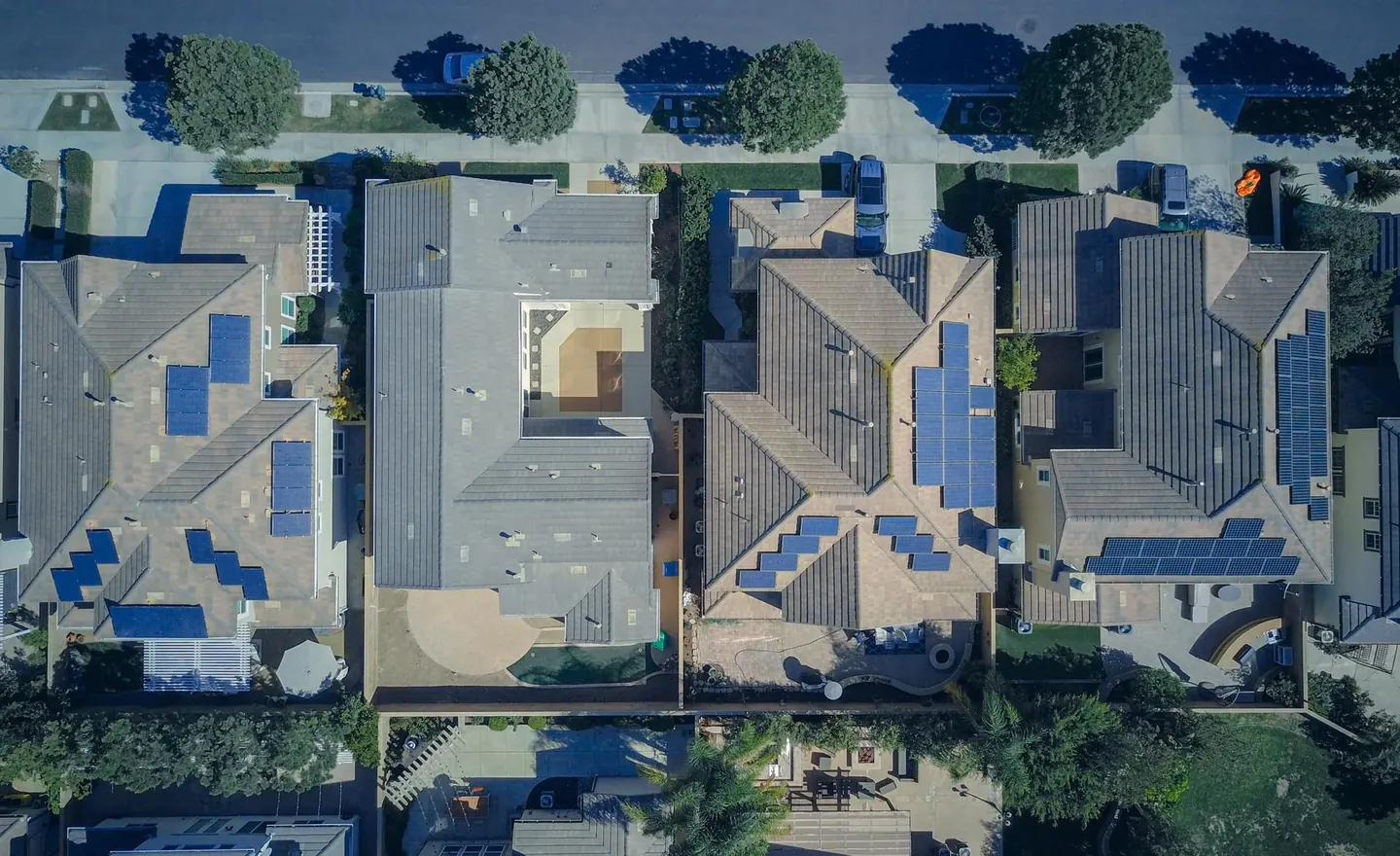
Aerial view of a neighborhood with rooftop solar panels

Pennsylvania clean-infrastructure initiative

Waste has energy.
Communities need it.

The B.E.E Company connects organic-waste recovery, local electricity, sustainable living, pollinator restoration, and practical environmental education in one coordinated platform.

Enter the system
01RecoverWaste and biological value
02GenerateLocal electricity and heat
03RestoreHabitat, food, and community
CONNECTED SYSTEM / CONCEPT MODEL
MODULE 01 / RECOVERY

Capture value before disposal.

Separate organics, recyclables, reusable materials, and qualified residuals before they become landfill waste.

Interactive concept model. Final engineering decisions require site-specific studies, permitting, and independent validation.

00 / POSITION

We are not building a company simply to sell a machine.

We are building an operating system for stronger communities.

01 / SYSTEM ATLAS

From discarded material to local value.

The B.E.E model follows a responsible hierarchy: reduce, reuse, recycle, digest suitable organics, recover energy from qualified residuals, and dispose only what cannot be responsibly recovered.

STAGE 01 — COLLECTION NETWORK

Build dependable relationships before selecting equipment.

The system begins with municipalities, farms, restaurants, supermarkets, hospitals, schools, institutions, and food processors. Long-term feedstock quality and volume are essential to technical and financial feasibility.

  • Waste characterization and contamination studies
  • Collection routes and delivery agreements
  • Source separation and quality control
01 / 06

02 / THREE DOMAINS

Bioenergy. Electricity. Environment.

Three independent capabilities designed to become more valuable when they operate as a connected community system.

Community garden with raised beds and walking paths

01 BIOENERGY

Organic waste becomes biogas instead of a landfill burden.

Food scraps, spoiled produce, agricultural byproducts, restaurant organics, and other suitable biodegradable materials can be processed through anaerobic digestion. The resulting biogas may support electricity, useful heat, combined heat and power, or renewable-gas pathways.

Solar panels arranged across a green landscape

02 ELECTRICITY

Local generation, storage, heat recovery, and coordinated demand.

Biogas generators, combined heat-and-power equipment, solar integration, battery storage, and community microgrids can support homes, farms, greenhouses, schools, businesses, municipal facilities, and critical services.

Bee gathering pollen from a flower

03 ENVIRONMENT

Infrastructure should restore more than it consumes.

Every B.E.E project is intended to connect industrial responsibility with pollinator habitat, native planting, local food, soil and water education, community beautification, and transparent environmental performance reporting.

03 / FLAGSHIP PILOT

A community where the infrastructure becomes visible and understandable.

The B.E.E Sustainable Living Pilot Community is envisioned as a real-world demonstration—not an industrial project hidden behind a fence.

Aerial view of homes with rooftop solar panels
01 / LIVING SYSTEM

Efficient homes connected to local energy infrastructure.

COMMUNITY COMPONENTS

Designed as a place to live, learn, grow food, recreate, and understand the system.

The energy and waste-processing equipment would operate on a separate site with appropriate setbacks, landscaping, security, traffic planning, odor control, noise control, emissions monitoring, and public-safety measures.

01 / EFFICIENT HOMES

Attractive, energy-efficient homes connected to a coordinated local energy system.

MEASUREMENT / ACCOUNTABILITY

Environmental claims must become measured performance.

A technology is not sustainable merely because it produces energy. Feedstock, emissions, water, transportation, byproducts, land use, safety, and total lifecycle impact must be considered.

Discuss a feasibility study
SYSTEM SIGNALSMONITOR
W-01WasteTons diverted · contamination · material recovery
E-02EnergyBiogas · electricity · useful heat · uptime
N-03NatureHabitat · native plants · soil · water
C-04CommunityHomes served · jobs · education · feedback
S-05SafetyEmissions · incidents · compliance · response
F-06FinanceRevenue · operating cost · savings · resilience

Display is illustrative. Project dashboards would report independently verified, site-specific data.

04 / B.E.E ACADEMY

Infrastructure becomes a living classroom.

Students can follow food waste from collection to digestion, observe energy production, visit a greenhouse using recovered heat, and study bees pollinating nearby gardens.

PROGRAM / HOMESCHOOLACTIVE MODULE

Project-based science for families

Flexible environmental learning connected to real infrastructure.

B.E.E Homeschool Academy can provide age-specific curriculum, parent guides, facility tours, virtual lessons, experiments, waste audits, gardening projects, pollinator studies, student design challenges, and family workshops.

Develop an education partnership
  • Science workbooks and parent guides
  • Facility tours and field experiences
  • Energy, waste, soil, water, and pollinator projects
  • Certificates, summer programs, and family workshops

STACKED VALUE MODEL

One project. Multiple value streams.

The B.E.E Company is designed to avoid dependence on electricity sales alone. Commercial viability comes from combining appropriate revenues, cost savings, partnerships, and public-benefit funding.

Municipal contracts, organic-waste collection, acceptance and tipping fees, commercial service agreements, agricultural-waste arrangements, and diversion services.

PHASED EXECUTION

Build credibility first. Scale what works.

01NOW

Partnerships & feasibility

Brand, education, feedstock research, land review, technical partners, preliminary economics, and sponsor outreach.

02DEMONSTRATE

Organic-waste system

Prove collection, contamination control, digestion, biogas, heat, electricity, safety, and operating performance.

03INTEGRATE

Pilot community

Connect homes, microgrid, gardens, greenhouses, habitat, education, recreation, tours, and research.

04EVALUATE

Residual-waste recovery

Advance only after engineering, emissions verification, permitting, feedstock analysis, economics, and community consultation.

05REPLICATE

Adapt proven components

Municipalities, farms, campuses, developments, rural communities, islands, and resilience projects.

Material recovery worker sorting discarded materials
40.6023° NPENNSYLVANIA

05 / ABOUT THE COMPANY

Clean infrastructure with a community purpose.

The B.E.E Company—Bioenergy, Electricity & Environment—is a clean-infrastructure and sustainable-community development company created to transform waste into useful resources.

Traditional systems separate waste collection, energy production, housing, agriculture, education, conservation, and community development. The B.E.E Company connects them under one strategic framework.

Our work begins with responsible material recovery and energy conversion, but extends into resilient housing, local food, pollinator protection, workforce development, public education, project financing, long-term operations, and transparent impact measurement.

“Sustainability should not be an isolated program. It should be the operating system of a stronger community.”
Technically credibleFinancially sustainableSafe and transparentCommunity-centeredEducationalMeasurable
JR

FOUNDER / VISIONARY

Jonathan
Rotger

Professional portrait area

Jonathan Rotger founded The B.E.E Company around a direct belief: communities should not continue burying valuable resources while families face rising energy costs, environmental decline, and limited access to practical sustainability education.

His vision is to bring technology, infrastructure, environmental stewardship, education, and community development into one coordinated model that can be demonstrated, measured, improved, and replicated.

Rather than approaching waste, power, housing, food, and education as disconnected industries, Jonathan sees them as parts of the same community system. The B.E.E Company reflects his commitment to building practical solutions that create economic value while improving the places where people live.

We are not asking people to imagine a cleaner future from a presentation. We want to build a place where they can walk through it, learn from it, and see that it works.

InnovationStewardshipEducationCommunityAccountability

PUBLIC-BENEFIT MISSION

The B.E.E Foundation

A legally and financially distinct charitable arm can advance projects that deliver strong public value beyond commercial infrastructure.

01

Education

School, homeschool, youth, public, and workforce-development programs.

02

Conservation

Pollinator habitat, native planting, community gardens, and restoration.

03

Access

Scholarships, tours, learning materials, and underserved-community programming.

04

Research

Demonstration projects, university partnerships, and transparent impact studies.

PARTNERSHIPS / SUPPORT

Bring the right people to the same table.

We welcome conversations with municipalities, waste generators, developers, engineering firms, technology providers, schools, universities, foundations, sponsors, and infrastructure investors.

Develop a pilotProvide feedstockHost educationSponsor impactInvest in infrastructure
PARTNERSHIP INQUIRYSECURE FORM

Your information will be used only to respond to this inquiry.

THE B.E.E COMPANY FILMMP4 / 16:9

See the connected vision in motion.

SECURE DONATION

Power the future.
Protect the bees.

Support The B.E.E Company Sustainable Living Pilot Program and help move a practical model for cleaner communities from vision to reality.

Continue to secure donation Donation processing is hosted securely through Zeffy.

PROJECT ACCOUNTABILITY

What a B.E.E project should measure.

Tons of waste divertedOrganic material processedContamination rateBiogas producedElectricity generatedUseful heat recoveredEnergy consumed locallyMaterials recoveredOperational emissionsWater consumptionHabitat createdFood producedStudents educatedJobs createdOperating costEquipment uptimeSafety incidentsCommunity feedback